
Mastering ping discipline in Arc Raiders is a distinct tactical progression path that emphasizes non-verbal coordination and spatial awareness. While verbal comms are useful, the in-game ping system provides instantaneous, visual data that is often more precise than a spoken word. For players looking to maximize team efficiency and maintain stealth, developing rigorous ping discipline forms a reliable framework for silent dominance. In a world where sound is a giveaway, a well-placed ping is the ultimate silent command.
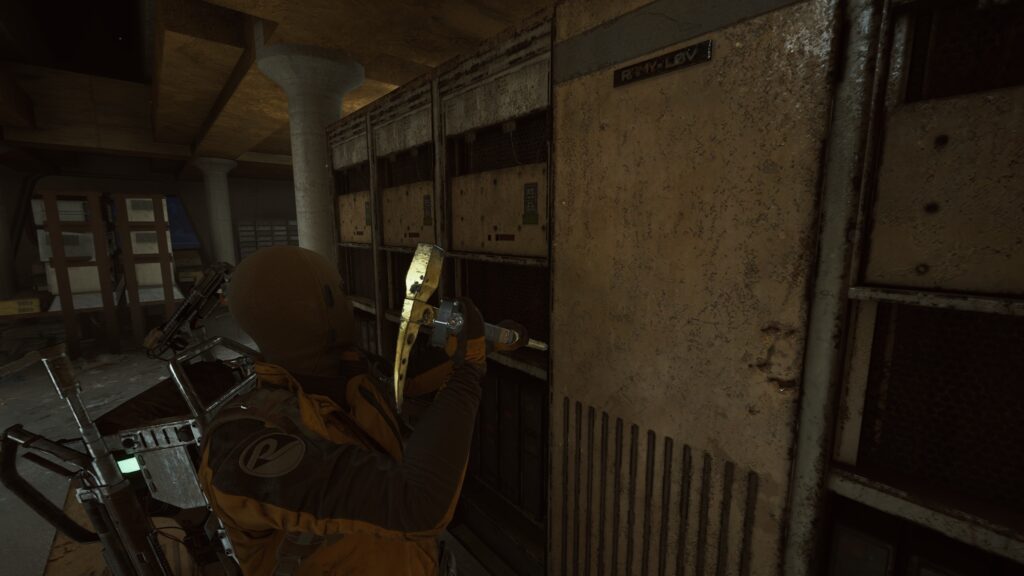
This guide examines how to approach the ping system efficiently, focusing on context-sensitive marking, avoiding “ping spam,” and using visual cues to direct squad movement and fire without making a sound.
The Visual Language of Tactical Pings
A ping is more than just a red marker on a screen; it is a visual language that conveys intent. In Arc Raiders, the context of the ping dictates how the squad should react. A ping on an open field means “Look here,” while a ping on an enemy unit means “Engage” or “Watch this threat.” This deterministic system allows a squad to operate with near-telepathic levels of coordination. By relying on pings, you keep the voice channel clear for critical strategy, while the “grunt work” of spotting is handled visually.
Ping discipline requires a high degree of restraint. Every ping must have a purpose. Meaningless pings create “visual noise” that can distract a teammate at a critical moment or obscure an enemy’s head. A disciplined player only pings when they have new, actionable information to share, ensuring that when a marker appears, the entire squad knows it demands their immediate attention.
The Three Rules of Professional Pinging

To ensure your pings are an asset rather than a distraction, follow these three rules of engagement:
- Accuracy Over Speed: A misplaced ping is worse than no ping at all. Ensure your marker is directly on the target or the specific piece of cover you are referencing to avoid confusing your teammates.
- Double-Tap for Danger: Use the specific “Danger” or “Enemy” ping variant (usually a double-tap) only when there is an active threat. Use the “Search” or “Move” ping for general interest items to distinguish the level of urgency.
- Ping and Clear: Once a marked threat is eliminated or a location has been cleared, verbalize the update or use a “Cancel” ping if available. This keeps the team’s visual interface clean and focused on the next objective.
Coordinating Silent Ambushes and Extractions
The true power of ping discipline is revealed during stealth operations. When approaching an extraction point or setting up an ambush, pings allow the team to assign targets silently. The leader can ping a target, and the teammates can “acknowledge” the ping visually to confirm they have a shot. This removes the need for “On three, one-two-three” countdowns over voice chat, which can be heard by nearby enemies if they are close enough.

During a retreat, pings are used to mark the exact piece of cover the team is falling back to. This prevents the squad from scattering in different directions. By making pings the primary source of spatial information, you reduce the chaos of the fight and allow every player to focus on their mechanics. Mastery of this system turns your squad into a silent, efficient machine that communicates with a speed and clarity that verbal-only teams simply cannot match.
Conclusion: The Silent Authority
Ping discipline rewards the observant and methodical player. By using the in-game marking system with precision and restraint, you elevate your squad’s situational awareness without cluttering your comms. Integrating these habits into your daily routine ensures that you communicate more effectively while talking less, providing a distinct tactical advantage in the dangerous and sound-sensitive world of Arc Raiders.