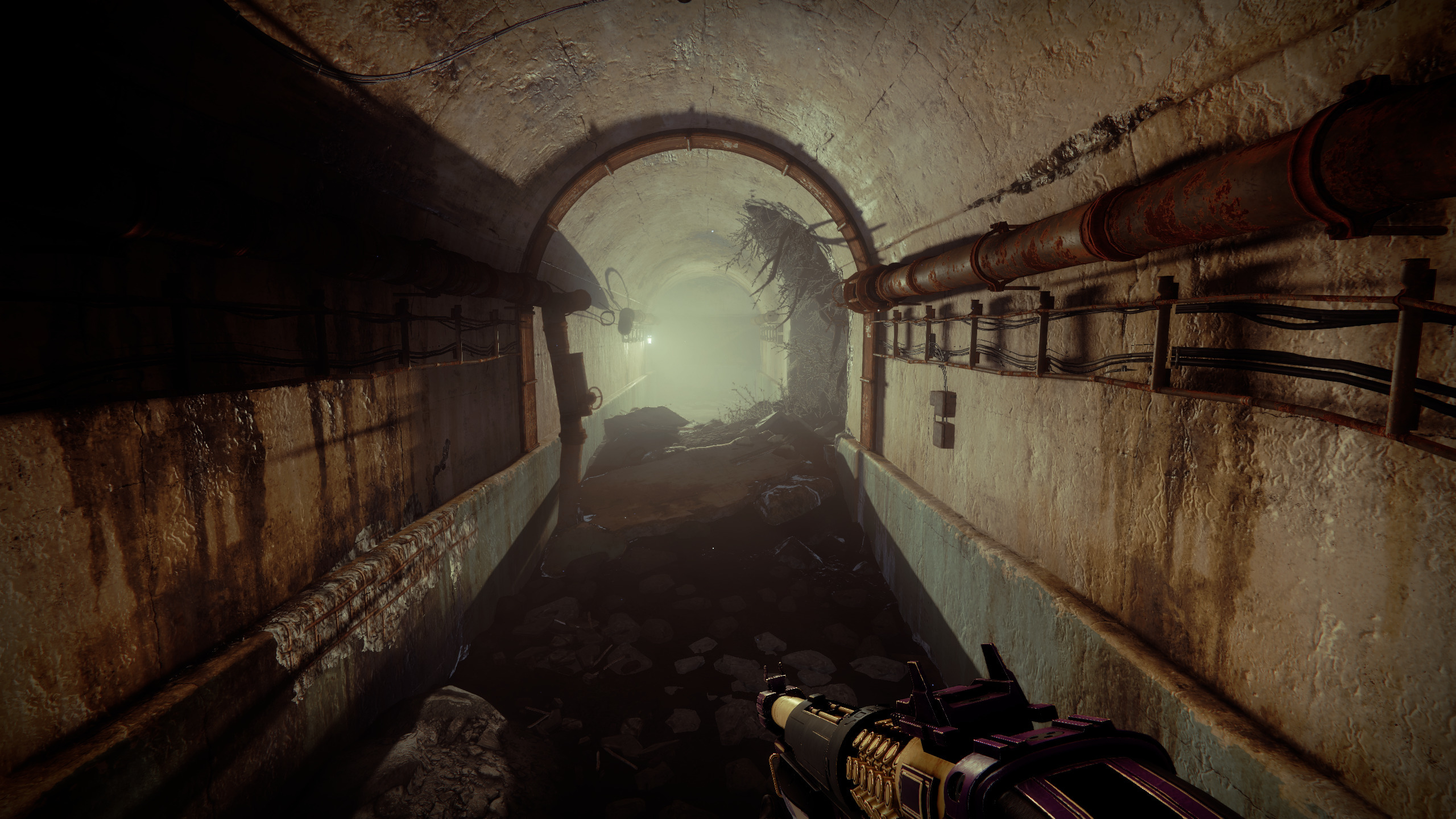
In the universe of Destiny 2, the struggle between Light and Darkness has always been the grand narrative axis. From the arrival of the Traveler and the granting of Light to humanity, through the rise of the Black Fleet and the machinations of the Witness, the tension between these two cosmic forces underpins everything.
As the game moves beyond its initial “Light & Darkness” saga and enters new chapters, this fundamental theme will continue to shape every expansion. In this article, we’ll explore how the Light vs. Darkness motif has evolved, why it remains central, how its threads will be pulled in future content, and what players can expect as the story unfolds.
The Roots of the Light vs. Darkness Story
The concept of the Light originates with the Traveler—its gift to humanity empowered the Guardians and helped rebuild the Last City. In contrast, the Darkness is portrayed as a paracausal, existential threat: the force of the black pyramids, the hive gods, the Taken, all tied to this deeper void. This dichotomy has defined player identity: you are a bearer of Light, defending against the Shadow. The lore explicitly states the Darkness “is returning to finish its war against the Traveler and humanity.”
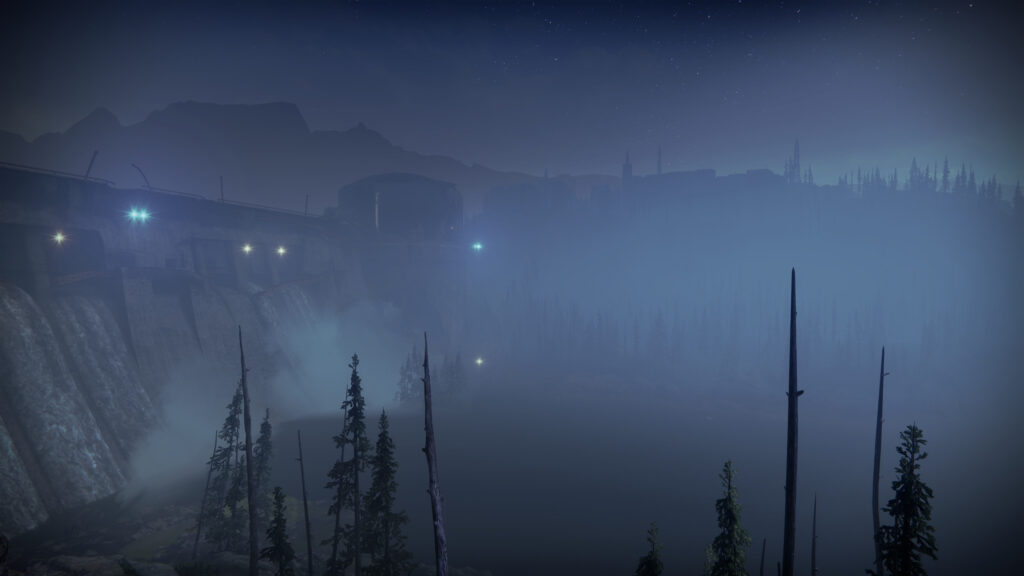
In earlier expansions like Destiny 2: Beyond Light and Destiny 2: The Witch Queen, this theme was pushed to the foreground. Players first wielded Darkness‑powers (Stasis, later Strand), confronted factions that used Light as a weapon (Savathûn’s Hive) and witnessed the boundaries between Light and Darkness blur. Visually and narratively, the game shifted from pure “us vs them” to a more complex interplay of power, ideology and consequence.
Why the Theme Still Matters in Future Expansions
Even though the first major saga appears to wrap with Destiny 2: The Final Shape, the Light vs. Darkness motif remains highly relevant. It serves as a foundational myth for the Destiny universe—a myth that offers endless variations. Because the forces themselves are cosmic, mysterious and not fully understood, the story has room to grow, invert expectations, and explore new territory.
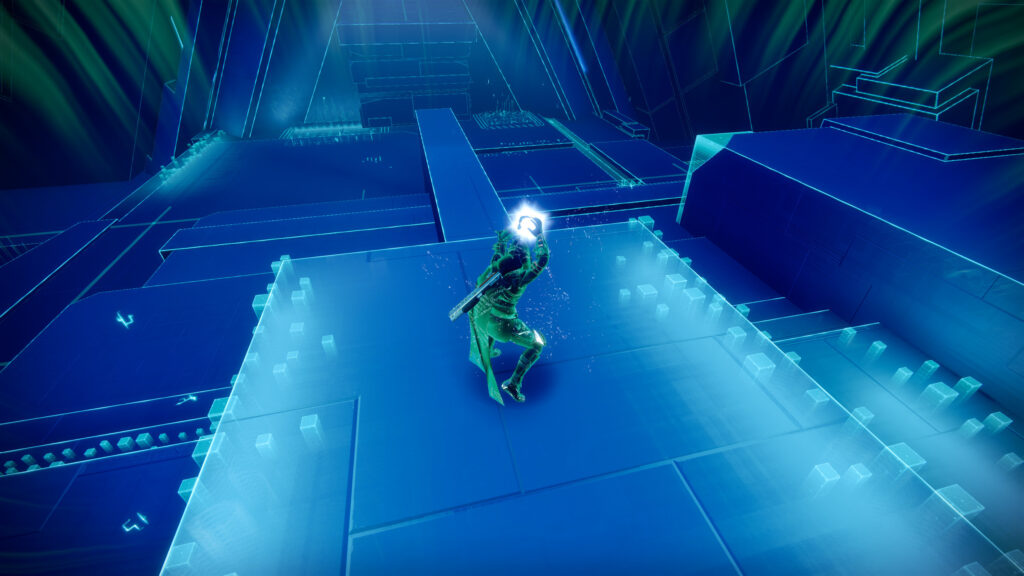
Moreover, for players, the theme helps maintain continuity: no matter what new characters or factions appear, the core question remains: what is the nature of Light? What is the nature of Darkness? What happens when they meet, overlap, or are wielded by the same entity? These questions ensure that each new expansion has narrative weight. The upcoming saga (for example the Destiny 2: The Edge of Fate expansion) may shift the focus, but the theme will likely underpin how it shifts.
How the Theme is Being Expanded and Twisted
One of the most interesting evolutions is how the game has begun to blur the line between Light and Darkness. Guardians can use both—some subclasses already combine powers. That shift hints at more nuanced storytelling: perhaps Light isn’t always purely good, and Darkness isn’t always purely evil. These gray zones open up possibilities for future expansions to explore themes of balance, corruption, choice, and identity.
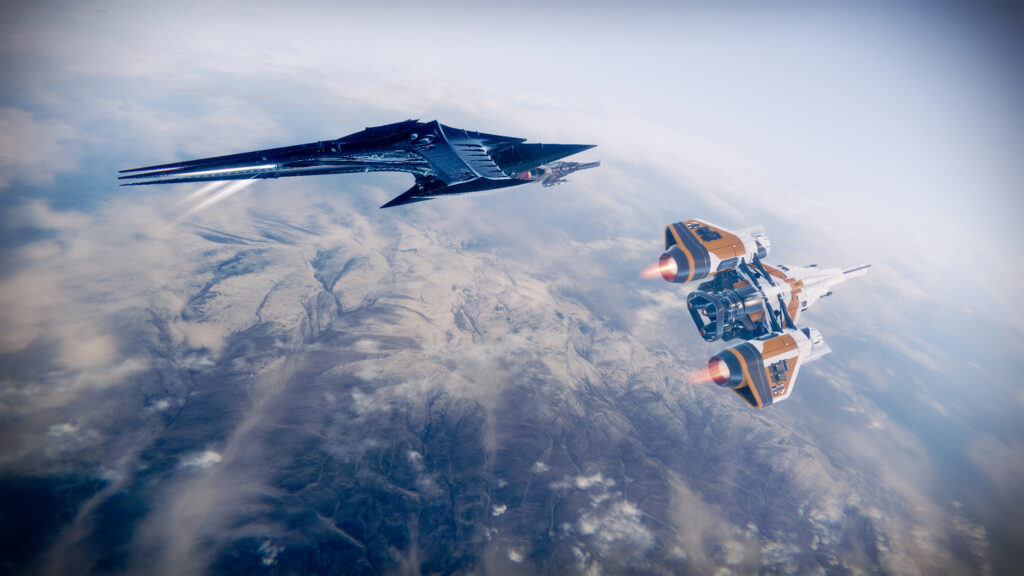
Additionally, upcoming content may introduce more factions that don’t fit neatly into one side. New cosmic entities, alliances of convenience, and ideological schisms can all play into the overarching theme. For example, a faction might claim to wield Darkness for ‘liberation’ or might turn Light into a weapon of control. These variations allow the Light/Darkness theme to stay fresh while remaining familiar.
What Players Can Expect in Future Story Arcs
Here’s how the theme could drive major narrative beats in upcoming expansions:
- Exploration of the Nature of Light and Darkness:
- Choice and Identity:
- New Factions and Powers:
- Cosmic Consequences:
- Symbolism and Mythologising:
The Practical Implications for Gameplay and World‑Building
On a gameplay level, the theme supports new subclasses, powers, enemy types and environments. When the story explores duality or merging forces, that can translate into mechanics—mixed Light/Darkness weapons or enemies that shield via Light and strike via Darkness. These mechanics both reinforce the narrative and keep the gameplay fresh.
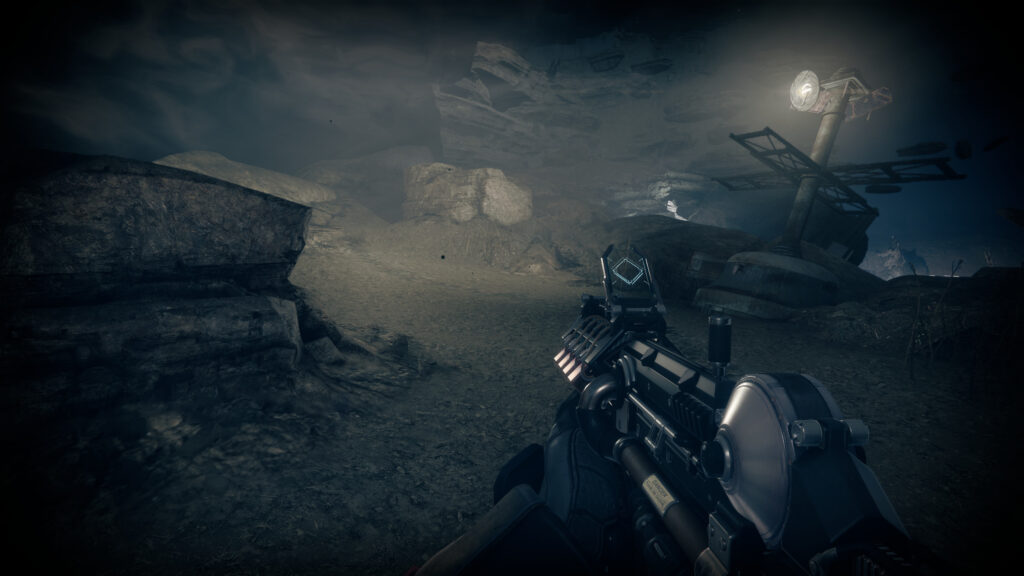
For world‑building, this theme allows new destinations to feel connected—even when they’re radically different—from familiar settings. Whether you’re visiting an ancient Darkness‑ruined paradise or a bastion of Light under siege, having the thematic backbone of Light vs. Darkness helps anchor new worlds into the Destiny universe. Players gain that sense of continuity even as the story expands outward.
Conclusion: The Theme That Will Anchor the Next Era
The battle between Light and Darkness is not going away—it’s evolving. As Destiny 2 moves into new sagas and opens up fresh narratives, this theme will act as the anchor, giving cohesion, emotional weight and mythic scale to everything that follows. The story of Guardians, the Traveler, and the cosmic war is far from over, and by continuing to ask what Light means, what Darkness means, and how Guardians define themselves within that conflict, the game ensures future expansions will resonate deeply.
For players, that means more than just new gear or maps—it means stepping into the next chapter of a mythic struggle where your choices, your powers, and your identity matter. The story of Light vs. Darkness may shift shape, but its core will continue to drive your Guardian’s journey through the stars.